
A window fitter removes your old windows and installs, seals and certifies the new ones, and as a typical 2026 guide charges £200 to £300 per day, or roughly £100 to £180 in labour per standard window. This guide covers what fitters do, what they charge, the questions to ask, and the red flags to avoid, and you can check your funding options and get matched with a vetted fitter in 60 seconds.

What do window fitters actually do?
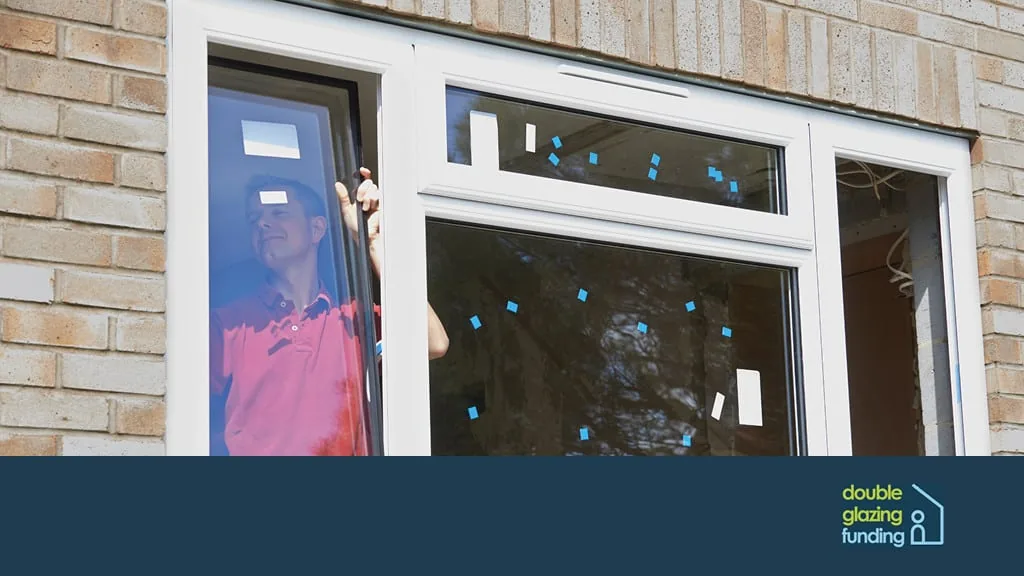
A professional window installation involves far more than lifting a frame into a hole. A good fitter will:
- Survey and measure each opening precisely before the windows are manufactured
- Remove the old windows with minimal damage to plaster, brickwork and tiles
- Fit and level the new frames, packing and fixing them securely to the structure
- Install the glazed units, beads and trims
- Seal and weatherproof inside and out, so no draughts or leaks develop
- Make good any plaster or render disturbed during the work
- Certify the installation against Building Regulations through FENSA or CERTASS
The quality of the fitting matters as much as the quality of the windows. A premium A-rated window fitted badly will draught, leak and mist up just like a cheap one.
How much do window fitters charge in 2026?
Labour is typically 20 to 30% of a window replacement bill, with the windows themselves making up the rest. Here are typical 2026 guide figures for the UK:
| Charge | Typical 2026 guide price |
|---|---|
| Single fitter, day rate | £200 to £300 |
| Two-person team, day rate | £350 to £500 |
| Labour per standard window (fit only) | £100 to £180 |
| Standard uPVC window, supplied and fitted | £450 to £900 |
| Full 3-bed house (8 to 12 windows), labour | 1 to 2 days' work |
Rates run higher in London and the South East, and complex jobs such as bay windows, upper floors needing scaffold, or period properties add time and cost. For the full picture including window prices by style, see our uPVC window cost guide.
Remember that the cheapest is not necessarily the best; less expensive products and components generally result in an installation that does not stand the test of time. With double glazing funding or grants, you could get a premium installation for a fraction of the cost.
Could you qualify for funding towards new windows and doors? Homeowners with windows five years old or older can check in under 60 seconds. Launch the funding checker.
FENSA, CERTASS and DGCOS: why certification matters
Replacement window work in the UK must comply with Building Regulations. There are two ways to achieve that: pay your local authority building control to inspect and approve the work, or use an installer registered with a competent person scheme who can self-certify it.
- FENSA: the largest competent person scheme for replacement windows and doors. A FENSA certificate proves compliance and is requested by solicitors when you sell your home.
- CERTASS: an equivalent scheme, popular with smaller independent installers. A Certass certificate carries the same legal weight.
- DGCOS: a consumer protection body whose members offer vetted workmanship, insurance-backed guarantees and free dispute resolution.
By selecting an installation company with FENSA, CERTASS or DGCOS accreditation, you know they have to comply with proper standards. Double Glazing Funding only works with installers registered with one of these schemes.
Questions to ask before you hire a window fitter
- Are you FENSA or CERTASS registered, and can I see your registration number?
- Is the guarantee insurance-backed, and how long does it cover frames, units and workmanship?
- Who actually does the fitting, your own employed fitters or subcontractors?
- Does the quote include removal and disposal of the old windows, and making good the plaster?
- How long will the job take, and how many fitters will be on site?
- What deposit do you require, and is it protected?
- Can you provide references or recent local jobs I can see?
How to spot the red flags
- No FENSA or CERTASS registration, or evasiveness when you ask for the number
- Large cash deposits demanded up front, especially over 25%
- Pressure-selling tactics, such as "this price is only valid today"
- Quotes wildly below everyone else's, cheap now usually means expensive later
- No written contract or guarantee terms, everything is verbal
- No verifiable reviews on independent platforms
Check reviews the right way
Reading reviews on trusted third-party platforms such as Trustpilot, Google or Checkatrade is a great way to make the right decision. Window fitters that use these platforms are not scared to ask their customers for feedback, good or bad, and use negative feedback to improve.
Do not expect a perfect five-star record. Look for the companies that respond to criticism, openly admit their mistakes, and go back to rectify the errors afterwards. That behaviour tells you more about how your job will go than any star rating.
How we match you with vetted window fitters
If you would rather skip the legwork, enter your postcode in our funding checker. In under 60 seconds we will show you what grants and funding you could qualify for, then match you with a vetted, certified window fitter who covers your area for a no-obligation quote. Coverage is UK-wide; our guide to finding uPVC double glazing windows near you explains how the matching works.
The Help 2 Buy Windows grant has nothing to do with the UK government; it is funded 100% by Help 2 Buy Windows through the sale of leads to our clients.
Frequently asked questions
How much do window fitters charge per day?
As a typical 2026 guide, a window fitter charges around £200 to £300 per day, and a two-person team around £350 to £500 per day. Rates are higher in London and the South East. Labour alone works out at roughly £100 to £180 per standard window, on top of the cost of the windows themselves.
How long does it take to fit new windows?
A standard window takes around one to two hours to remove and replace. A typical three-bedroom house with 8 to 12 windows is usually completed in one to two days by a two-person team, and bay windows or structural work add more time.
Do window fitters need to be FENSA registered?
Replacement window installation in the UK must comply with Building Regulations. A FENSA or CERTASS registered installer can self-certify the work and issue a compliance certificate; otherwise you must pay your local authority building control to approve it. Always use a registered fitter, you will need the certificate when you sell your home.
Can I supply my own windows and just pay for fitting?
Yes, many fitters offer a supply-and-fit or fit-only service. Fit-only labour costs roughly £100 to £180 per window as a 2026 guide. Bear in mind that with fit-only work, the fitter guarantees the installation but not the windows themselves, so check who covers what before you buy.
How do I check a window fitter is legitimate?
Search the FENSA or CERTASS website for their registration, read their reviews on independent platforms such as Trustpilot, Google or Checkatrade, ask for an insurance-backed guarantee in writing, and never pay a large deposit in cash. A legitimate fitter will happily provide all of this.