
Most double glazing faults, including stiff handles, dropped hinges, failed locks, perished seals, misted units and doors that no longer close cleanly, can be repaired for £60 to £350 fitted as a typical 2026 guide. Repair stops making sense when the frames themselves have failed, several units have blown at once, or the windows are 20 years old or more, at which point replacement is usually the better value. If you are heading towards replacement, check in 60 seconds whether funding could cover it before you pay for quotes.
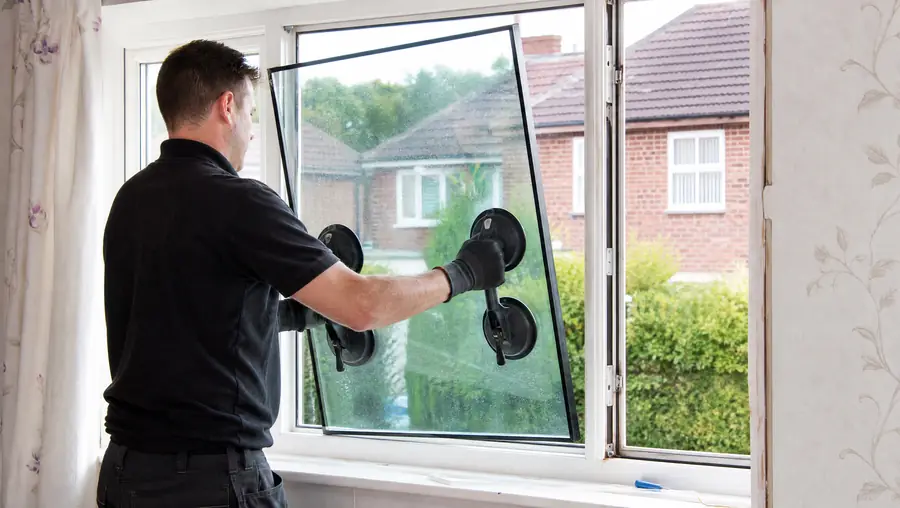
This guide covers what each common repair costs in 2026, an honest framework for deciding between repair and replacement, how long double glazing should last in the first place, and who should do the work.
Common double glazing repairs and 2026 costs
The table below shows typical 2026 fitted prices, including the callout, for the repairs UK glaziers and window engineers see most often. Prices assume standard uPVC windows and doors; timber and aluminium hardware can cost more.
| Repair | Typical 2026 fitted price |
|---|---|
| Window handle replacement | £60 to £110 |
| Hinge or friction stay replacement | £80 to £150 per window |
| Multi-point lock replacement (window or door) | £120 to £250 |
| Gaskets and seals renewed | £50 to £120 per window |
| Misted or blown sealed unit replaced | £130 to £660 by size |
| Dropped or misaligned door realigned | £80 to £160 |
| Letterbox, restrictor or trickle vent | £40 to £90 |
Guide prices only. Many engineers charge a minimum callout of £60 to £90, so it pays to batch several small repairs into one visit.
The most expensive item on the list, the sealed unit, is also the most misunderstood. Misting between the panes means the unit's seal has failed, but if the frame is sound you do not need a new window: a glazier swaps the glass unit within the existing frame. Our misted unit replacement cost guide breaks the prices down by unit size.
Adding up several repairs? If the total is heading towards the cost of new windows, check funding first. Qualifying homeowners with windows five years old or older can find out in under 60 seconds. Launch the funding checker.
Repair or replace? The honest test
Repair firms will tell you everything is repairable and window companies will tell you everything needs replacing. The truth sits on a handful of practical tests:
- Age. Under 10 years old: almost always repair, and check the installer's guarantee first because the fault may cost you nothing. Between 10 and 20 years: judge case by case using the tests below. Over 20 years: replacement is usually the better spend, because the units, seals and hardware tend to fail in sequence from here on.
- One blown unit or several? A single misted unit on a 12 year old window is a £130 to £660 fix. Three or four misting within a year of each other means the seals across the house are reaching the end of their life, and paying to replace units one by one becomes poor value.
- Frame condition. Discoloured, chalky, brittle or warped uPVC, and rotten or spongy timber, cannot be meaningfully repaired. Once the frame has gone, every repair is money into a window that still needs replacing.
- Energy performance. Units made 20 years ago fall well short of a modern A-rated window with warm-edge spacers and argon fill. If your heating bills are the reason you are looking at the windows, repair fixes the fault but not the performance gap.
- The maths. A fitted white uPVC casement window costs £375 to £500 in 2026, so three or more repairs on one window at the same time often approaches a fair share of a new window's cost. Run your own numbers with our double glazing cost calculator and the uPVC window cost guide.
A fair rule of thumb: if the windows are under 10 years old, repair. If they are over 20, or more than one unit has blown, or the frames have visibly deteriorated, get replacement priced before spending anything on repairs.
How long does double glazing last?
Good quality uPVC double glazing typically lasts 20 to 25 years, and many installers guarantee the units for 10 and the frames for longer. The parts do not all age at the same rate, which is why repairs cluster in a window's second decade:
- Sealed units usually fail first. The edge seal slowly degrades until moisture gets between the panes and the window mists up, typically somewhere between years 15 and 25, earlier on cheaper units.
- Hardware such as handles, hinges, friction stays and multi-point locks tends to wear out after 10 to 15 years of daily use. These are cheap, sensible repairs at almost any age.
- Gaskets and seals around the opening sashes harden and shrink over a similar period, causing draughts and whistling long before the window itself is finished.
Three things shorten those lifespans. Coastal salt air corrodes hardware and attacks seals, so homes near the sea in regions such as the South West and Wales often see failures several years early. Strong, prolonged south-facing sun ages gaskets and can discolour uPVC. And poor installation, with units packered badly or frames out of square, loads stress onto seals and hinges from day one, which is why windows fitted cheaply often fail a decade before the identical product fitted well.
Who should do the work?
For like-for-like repairs, no certification is legally required: replacing a handle, hinge, lock, gasket or even a sealed unit within an existing frame does not fall under Building Regulations. Any competent local glazier or window repair specialist can do it, and the good ones guarantee their sealed units for 5 to 10 years, so ask before you book.
Full window or door replacement is different. That work must either be self-certified by an installer registered with a competent person scheme such as FENSA or Certass, or signed off by building control, and you will need the certificate when you sell the house. Our guide to window fitters covers what to check before letting anyone start.
Two more points worth money. First, dig out your paperwork: if the windows are under 10 years old, misted units and failed hardware are often covered by the original installer's guarantee, and insurance-backed guarantees survive even if the firm has gone. Second, know the DIY limits. Swapping a handle is a screwdriver job most homeowners can do, and realigning a door hinge is manageable with care, but sealed unit replacement is not a DIY task: units are heavy, glazing beads snap, and a badly seated unit fails again quickly.
If replacement is the answer, check funding first
When the honest test points to replacement, do not assume you have to fund the whole job yourself. Qualifying homeowners with windows five years old or older can apply for the Help 2 Buy Windows grant, and those who do not qualify can be offered partner funding that spreads the cost, often with no deposit. The Help 2 Buy Windows grant has nothing to do with the UK government; it is funded 100% by Help 2 Buy Windows through the sale of leads to our clients.
The check takes under 60 seconds, it is free, and there is no obligation. See if you qualify here, then compare the outcome against your repair quotes and make the call with real numbers in front of you.
Frequently asked questions
How much do double glazing repairs cost?
Most common double glazing repairs cost £60 to £350 fitted in 2026. As a guide, a new handle costs £60 to £110, a hinge or friction stay £80 to £150 per window, a multi-point lock £120 to £250, fresh gaskets and seals £50 to £120 per window, and a dropped door realignment £80 to £160. Replacing a misted sealed unit costs more, from around £130 for a small unit up to £660 for a large one, fitted.
Can misted double glazing be repaired?
Not really repaired, but it can be fixed without a new window. Some firms offer demisting, where the unit is drilled, cleared of condensation and fitted with a valve, but this does not restore the insulating gas between the panes, so efficiency stays poor and the misting often returns. Replacing the sealed unit within the existing frame is usually the better long-term value, provided the frame itself is sound.
How long does double glazing last?
Good quality uPVC double glazing typically lasts 20 to 25 years. The sealed units usually fail first, showing up as misting between the panes, while handles, hinges and locks tend to wear out after 10 to 15 years. Coastal salt air, strong south-facing sun and poor installation can all shorten those figures.
Is it worth repairing 20 year old double glazing?
Usually only for small, cheap fixes such as a handle or a hinge. At 20 years or more the sealed units, seals and hardware tend to fail one after another, so repairs become a rolling cost, and windows of that age fall well short of modern A-rated energy performance. If more than one unit has blown or the frames are discoloured or brittle, replacement is normally the better value, and funding may cover qualifying homes.
Can you replace just the glass in double glazing?
Yes. If the frame is sound, a glazier can replace just the sealed glass unit within the existing frame, which costs around £130 to £660 fitted depending on size. This is the standard fix for misted or blown units and costs far less than a whole new window. You only need full replacement if the frame is rotten, warped or damaged.
Who repairs double glazing near me?
Local glaziers and independent window repair specialists handle most jobs, and many double glazing installers run their own repair teams. If your windows are under 10 years old, contact the original installer first, because the fault may be covered by the guarantee. For full replacements rather than repairs, use our funding checker to see whether the cost could be covered for a qualifying home before you pay for quotes.