
In 2026, UK homeowners can choose from more window and door styles than ever: roof windows, casement and sash windows, six specialist glass types, three frame materials and a full range of composite and uPVC doors. This guide walks through every option, and you can check if you qualify for funding towards new windows and doors in 60 seconds.
The range of uPVC windows and uPVC doors has improved dramatically from just a decade ago. You can now fully replicate most traditional styles in uPVC, giving you all the benefits of double glazing with none of the old drawbacks.
The only question that remains is: what is out there? You will notice there are now styles for wildly different aesthetic tastes, as well as windows and doors that offer genuinely new functionality. Let's take a look.
Roof windows
The category of roof windows is broad but important: many homeowners now want roof windows in all sorts of settings, not only loft conversions but single-storey kitchen extensions too.
The reason for their popularity is simple: light. Roof windows, better than any other window style in the home, let in copious quantities of sunlight, enlivening a room throughout the day. You would be amazed at the difference a large roof window makes to the atmosphere of a space. It is transformative.
The main variety is the skylight, which comes in two types: those that open and those fixed in place. Most homeowners want the opening type, especially where the window can be reached without a step ladder. Others choose fixed skylights for the lower cost and maintenance.
A skylight can reinvigorate a dull bedroom or kitchen, make the space feel more airy and lively, and help you get the most out of every room; when the light is right, people simply spend more time in a room.
Casement windows
Casement windows have been around for centuries and are among the simplest window styles available in the UK. The sash attaches to the frame via a hinge, which can sit on either vertical side, or at the top or bottom, so casements can swing open in a variety of ways.
Casement windows were the most popular style in the country until the introduction of the sash window. Old-fashioned casements contained many small pieces of glass held together by lead strips; today you can get a huge variety of casement styles varying in both function and form.
Sash windows
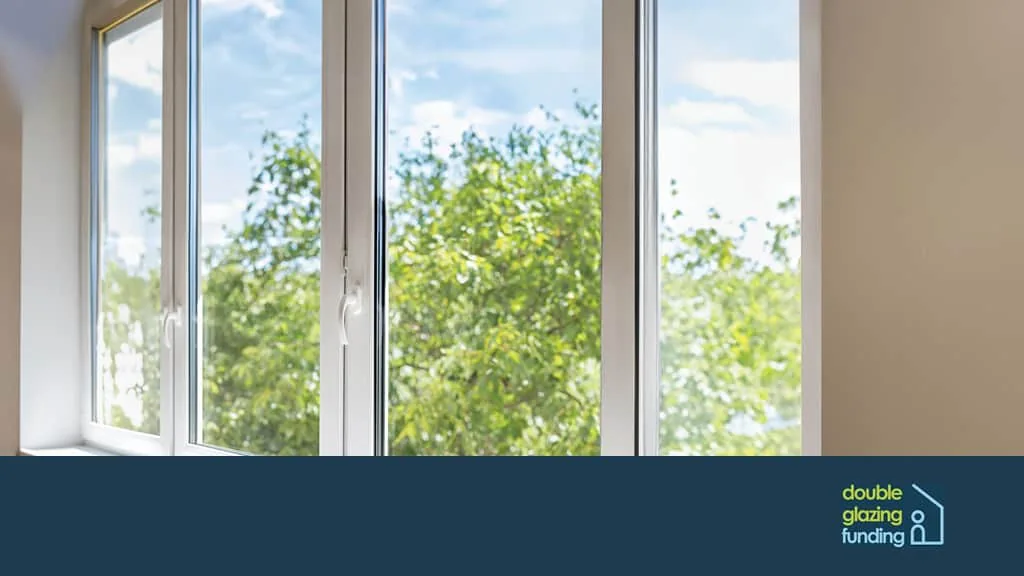
Sash windows, or vertically sliding windows, do not swing open on hinges. Instead, you open them by pulling a window section up from the bottom or down from the top.
The benefit is that nothing swings away from your home when you open them, and many homeowners simply prefer the aesthetic. Their popularity fell in the 1960s building boom, but the shift towards conservation in the 1990s brought a new appreciation for them.
Today's sash windows have uPVC frames, but you often cannot tell. Manufacturers now create sash windows that look like traditional white-painted wood while overcoming the old designs' shortcomings, such as winter heat loss, and keeping the classic opening mechanism.
Could you qualify for funding towards new windows and doors? Homeowners with windows five years old or older can check in under 60 seconds. Launch the funding checker.
Types of window glass
In 2026, the number of glass options for casement windows, sash windows and skylights is higher than ever.
Decorative glass
You do not need to settle for plain, clear glass, even when buying double-glazed uPVC windows. Decorative glass covers any type that departs from the transparent norm, varied in colour, texture and opacity. You can buy embossed glass for bathrooms and cloakrooms to reduce visibility, or install decorative glass on statement windows, such as living room bay windows or stairwell windows, to create dramatic impact. Double glazing companies can replicate most favourite designs, whatever the original.
Security glass
Security glass is toughened glass designed to withstand everything from petty vandalism to sledgehammer impacts. A special manufacturing process makes it far harder to smash or break through once cracked. It is ideal for anyone worried about break-ins or living in an area targeted by burglars.
Fire glass
Fire glass is a special kind that helps protect homes from smoke and flames. You see it most often in shared accommodation, where fire compartmentation rules apply.
Self-cleaning glass
Traditional glass has an annoying habit of attracting dirt and grime. Self-cleaning glass deals with this almost entirely: a thin transparent coating breaks down dirt and helps rainwater sheet across the pane to wash it away, so the windows never need special cleaning attention.
Energy-saving glass
Also called low-E glass, this type acts as a natural insulator, reflecting warmth back into the home rather than letting it leak out. It works in conjunction with the insulating properties of double glazing to cut energy bills, and is one of the most popular upgrades among today's homeowners.
Acoustic glass
Noise pollution is a scourge in many UK towns and cities. Acoustic glass takes the energy out of sound waves, quietening the noise inside your home, at least while the windows are closed. It is well worth considering near busy roads, railways or flight paths.
Window and door frame materials
uPVC frames
PVC is a type of plastic dating back to the 1930s, and it remains the most popular frame material today thanks to its ability to insulate and protect against condensation build-up. uPVC frames need surprisingly little maintenance, and the frame style can differ depending on which window style you choose.
UK companies offer uPVC frames in a wide range of colours and finishes: white, white woodgrain, cream woodgrain, light grey, olive grey, anthracite grey, grey cedar, black woodgrain, rosewood, golden oak, natural oak and Chartwell green. Many of these colour and texture combinations recreate traditional timber styles convincingly.
Some colours are regional favourites; anthracite grey, for instance, is more common in the East of England than in the rest of the country. If you are ready to compare colours and prices with a local fitter, our guide to finding uPVC double glazing windows near you covers how to choose a good installer.
Timber frames
Timber frames remain popular in 2026, primarily for traditional homes. Most timber frames are hardwood and highly durable. Although made of natural materials, they require more maintenance than uPVC or aluminium, even with the latest wood treatment techniques.
Aluminium frames
Aluminium-framed windows and doors featured in the early days of the double glazing revolution in the 1970s. uPVC later replaced aluminium thanks to lower costs and better insulation, but aluminium has made a strong comeback, especially in contemporary and ultra-modern homes, where its slim sightlines and strength allow bigger panes of glass.
Door styles and materials in 2026
The choice of door styles and materials keeps expanding in the UK, giving homeowners enormous control over the appearance and function of their exterior doors.
Composite doors are the trend right now. A composite door is a high-performance door designed to keep heat in the home and intruders out. The core can be made of wood, wrapped in glass-reinforced plastic (GRP), a material that insulates and provides tremendous strength.
The great thing about GRP is that it can be moulded into any shape, and many companies offer GRP doors with a wood-effect finish. The grain is highly convincing, so these high-tech doors do not look out of place even on traditional properties.
Many consider GRP doors a step up from uPVC doors thanks to the customisable appearance. That said, manufacturers have dramatically improved the aesthetics of uPVC doors, which remain the cost-effective solution for budget-conscious buyers.
You can still choose traditional wooden doors but, like timber windows, they require extra maintenance and may not last as long.
Conclusion
The 2026 market for windows and doors offers a vast range of options: roof windows that flood rooms with light, casement windows that have been popular for centuries, sash windows with innovative uPVC frames, and decorative, security, acoustic and energy-saving glass to personalise everything to your taste and needs. With the improvements in uPVC, homeowners now have complete control over both performance and appearance.
Funding towards new windows and doors
Whichever style you choose, funding could reduce what you pay. Homeowners with windows five years old or older can check their options in under a minute, with no obligation.
The Help 2 Buy Windows grant has nothing to do with the UK government; it is funded 100% by Help 2 Buy Windows through the sale of leads to our clients.
Frequently asked questions
What are the most popular window styles in the UK?
Casement windows are the most popular style in the UK, followed by sash windows, tilt and turn windows, bay and bow windows, and roof windows or skylights. Casements suit almost every property type, while sash windows remain the favourite for period homes.
What colours do uPVC windows come in?
Modern uPVC windows come in a wide range of colours and woodgrain finishes, including white, cream, light grey, olive grey, anthracite grey, black woodgrain, grey cedar, rosewood, golden oak, natural oak and Chartwell green. Many of the colour and texture combinations are designed to recreate traditional timber styles.
What is low-E energy-saving glass?
Low-emissivity (low-E) glass has an invisible metallic coating that reflects heat back into the room while still letting sunlight in. Used in double or triple glazed units, it acts as a natural insulator, reduces heat loss through the glass and helps cut energy bills.
Are composite doors better than uPVC doors?
Composite doors offer superior strength, insulation and a convincing wood-effect finish, which is why they are so popular, but they cost more. Modern uPVC doors have improved dramatically in looks and performance and remain the best value option for budget-conscious buyers.
Do replacement windows and doors need to meet Building Regulations?
Yes. Replacement windows and external doors in the UK must meet Building Regulations for thermal performance, safety glazing and ventilation. Using a FENSA or CERTASS registered installer means the work is self-certified and you receive a compliance certificate automatically.