
Replacing a misted double glazing unit typically costs £80 to £600 per unit in 2026 depending on size, plus around £50 to £60 labour, because only the sealed glass unit is swapped, not the whole window. If your windows are misting because they are old or failing, you may qualify for funding towards full replacements: check in 60 seconds with our funding checker.
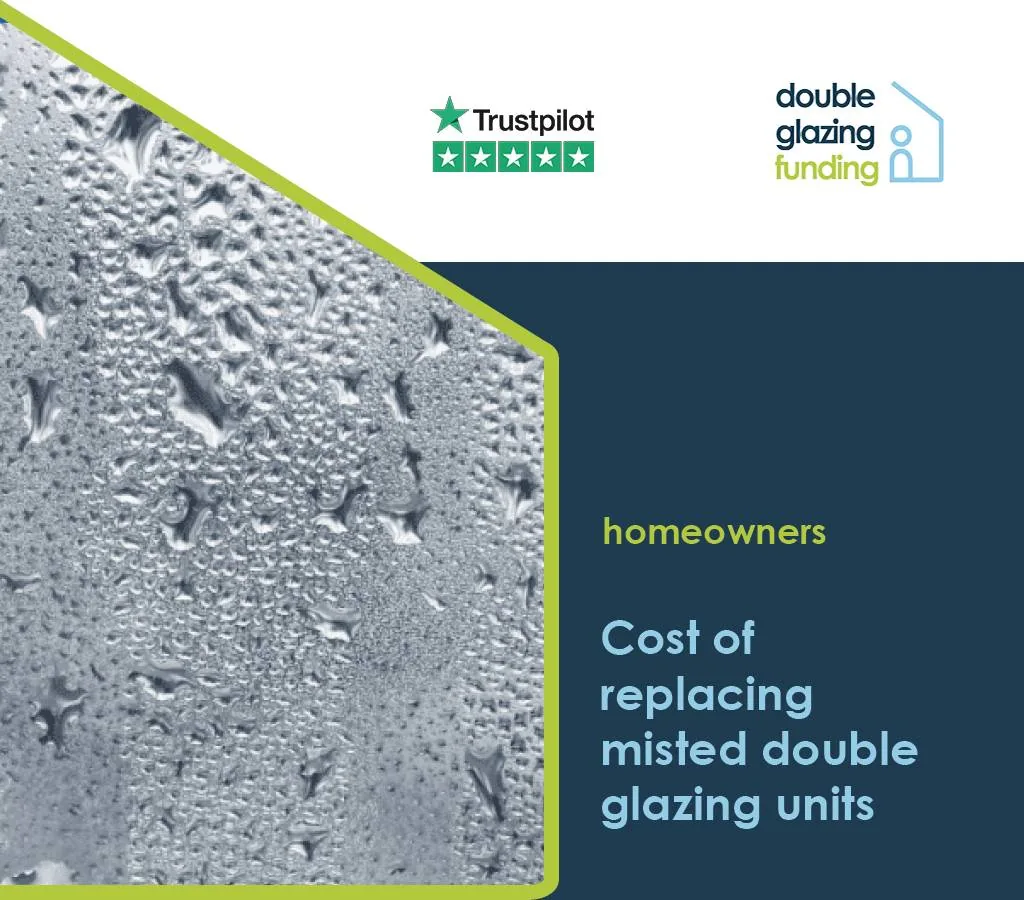
Misting between the panes is more than a cosmetic problem. It means the seal on the unit has failed, moisture has got in, and the window is no longer insulating your home as it should. This guide covers what causes it, what a replacement costs by unit size, whether repair or DIY is worth it, and how to stop it happening again.
What causes misted double glazing units?
Double glazing works because it has two panes of glass with a gap between them, filled with a non-conductive gas, usually argon. That gas-filled gap is the barrier that keeps heat in and noise out.
When a unit mists up between the panes, the seal around the edge has failed, either through age, poor manufacture or incorrect installation. Moisture-laden air seeps into the gap and condenses on the glass, and the insulating gas escapes.
Water conducts heat far better than argon, so a misted unit leaks warmth. The misting you can see is a symptom; the efficiency you are losing is the real cost.
One important exception: condensation on the outside of the glass is completely normal. It happens on cold mornings precisely because the unit is keeping heat inside, leaving the outer pane cold. Brand-new, high-performing windows often show external misting. It is misting between the panes that signals a fault.
Cost of replacing misted double glazing units by size
The good news is that if your frames are sound, you do not need a whole new window. A glazier can replace just the sealed unit within the existing frame. Typical 2026 guide prices:
| Unit size | Replacement unit cost (2026) | Labour per unit |
|---|---|---|
| Small double glazed unit | £80 to £180 | £50 |
| Mid-sized double glazed unit | £250 to £360 | £55 |
| Large double glazed unit | £380 to £600 | £60 |
Prices are typical 2026 guide prices and will vary with your location, the glass specification and how many units are replaced in one visit. Special glass, such as toughened, obscured or acoustic panes, costs more, and awkward shapes like the curved sections of a bay window sit at the top of the range.
Several factors move the price within these ranges: how quickly you act (the longer a failed unit is left, the more likely damp spreads to frames and reveals), the type and size of window, your location, and how many units need doing. If most of your units are failing at once, compare the total against the cost of new windows in our uPVC window cost guide: whole-house replacement often works out better value than piecemeal unit swaps on ageing frames.
Could you qualify for funding towards new windows and doors? Homeowners with windows five years old or older can check in under 60 seconds. Launch the funding checker.
Repair or replace?
Some firms offer a demisting repair: they drill into the unit, flush out the condensation and fit a small valve. It is cheaper than a new unit, but it does not replace the insulating gas that has escaped, so the window never returns to full efficiency and the misting frequently comes back.
Replacing the sealed unit restores the window to as-new performance and is usually the better long-term value. Replacing the whole window only becomes the right call when the frames themselves are rotten, warped or draughty, or the windows are old enough that modern A-rated replacements would transform your heating bills. Our double vs triple glazing guide covers the upgrade options if you go that route.
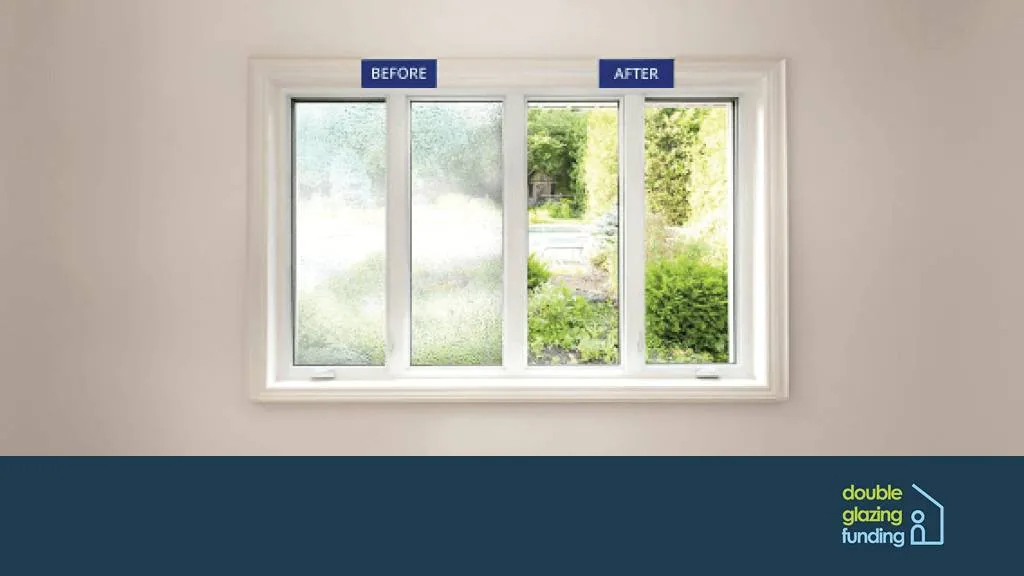
Benefits of fixing misted double glazing units
- Lower energy bills. A misted unit means a breached seal, and a breached seal means escaping heat. Restoring the sealed unit brings the window back to full insulating performance.
- Better property appearance. Cloudy, streaked glass drags down the look of the whole house. Clear glazing smartens the property instantly and helps protect its value if you plan to sell.
- Improved security. A window with a failed unit is a window past its best. Sound, well-sealed glazing is stronger, and visibly well-maintained windows are less inviting to intruders than damaged ones.
What happens if I do not replace them?
- Rotting frames. Constant moisture around a failed unit attacks the frame, especially timber. Ignore it long enough and you will be paying for a whole new window rather than a unit.
- Damp and mould. Persistent condensation feeds damp in the surrounding wall and sills, and mould follows. Once established, mould is difficult and expensive to remove.
- Health risks. Living with damp and mould is linked to respiratory infections, allergic reactions and asthma. Fixing the source is far cheaper than living with the consequences.
Can you replace misted units yourself?
Technically yes, practically it is risky. Sealed units must be measured to the millimetre; order a unit even slightly wrong and it will not seat properly in the frame, creating a bigger and more expensive problem than the one you started with.
Even with the right unit, an imperfect fit means an imperfect seal, and an imperfect seal means the misting comes back. A professional glazier will do the job faster, cleaner and with a guarantee. If you want the work covered properly, use an installer registered with a scheme such as FENSA.
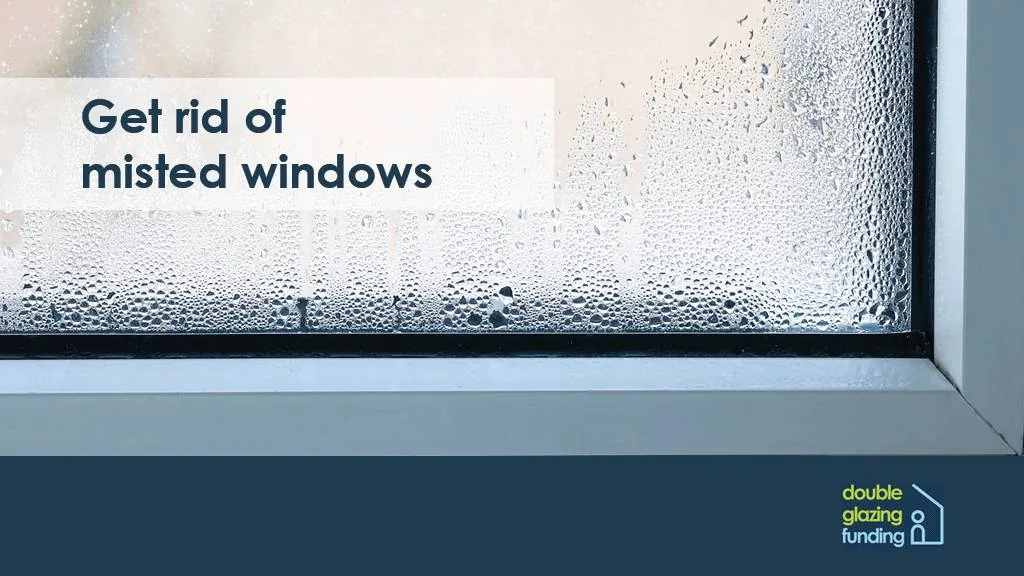
How to avoid misted windows in the future
- Have windows fitted by a qualified installer. Most misting traces back to poor installation or cheap units, and a professional fit leaves no gaps in the seal.
- Look after your windows. Clean them regularly, check the seals and drainage slots, and deal with small problems before they become failed units.
- Replace tired windows before they fail. If your windows are decades old, misting is a matter of when, not if. Newer units seal better and insulate far better.
In summary
Misting between the panes means the unit's seal has failed and the window is leaking heat. Replacing the sealed unit costs £80 to £600 plus labour in 2026 depending on size, restores full performance, and protects your home from damp, mould and rising bills.
If your windows are misting because they are simply worn out, funding may be available towards full replacements. The Help 2 Buy Windows grant has nothing to do with the UK government; it is funded 100% by Help 2 Buy Windows through the sale of leads to our clients. See how to qualify or run the funding checker now.
Frequently asked questions
How much does it cost to replace a misted double glazing unit in 2026?
A replacement sealed unit typically costs £80 to £180 for a small window, £250 to £360 for a mid-sized window and £380 to £600 for a large window, plus £50 to £60 labour per unit. Only the glass unit is replaced, not the frame, which is why it costs far less than a full new window.
Can a misted double glazing unit be repaired instead of replaced?
Some companies offer demisting, where they drill the unit, clear the condensation and fit a valve. It is cheaper upfront, but it does not restore the insulating gas between the panes, so the window loses efficiency and the misting often returns. Replacing the sealed unit is usually the better long-term value.
Do I need to replace the whole window if it has misted up?
Usually not. If the frame is sound, a glazier can replace just the sealed glass unit within the existing frame. You would only need a full window replacement if the frame is rotten, warped or damaged, or if the window is old enough that a new energy-efficient window makes more financial sense.
Is a misted double glazing unit covered by a guarantee?
It can be. Most reputable installers guarantee their sealed units for 5 to 10 years, and misting caused by seal failure is exactly what those guarantees cover. Dig out your paperwork before paying for a replacement, and if the installer was FENSA or Certass registered, the guarantee may be insurance-backed.
Why do my new windows mist up on the outside?
External condensation is normal and is actually a sign the unit is working well. It means very little heat is escaping through the glass, so the outer pane stays cold and moisture in the morning air condenses on it. Misting between the panes is the fault to watch for, not misting on the outside.