
Yes, you can put a cat or dog flap in a glass door, including double glazing: a glazier manufactures a new sealed unit with the hole already cut, fits the flap and swaps the unit into your existing frame. As a typical 2026 guide price, expect £85 to £300 for the new unit plus £12 to £130 for the flap itself, depending on the type you choose.
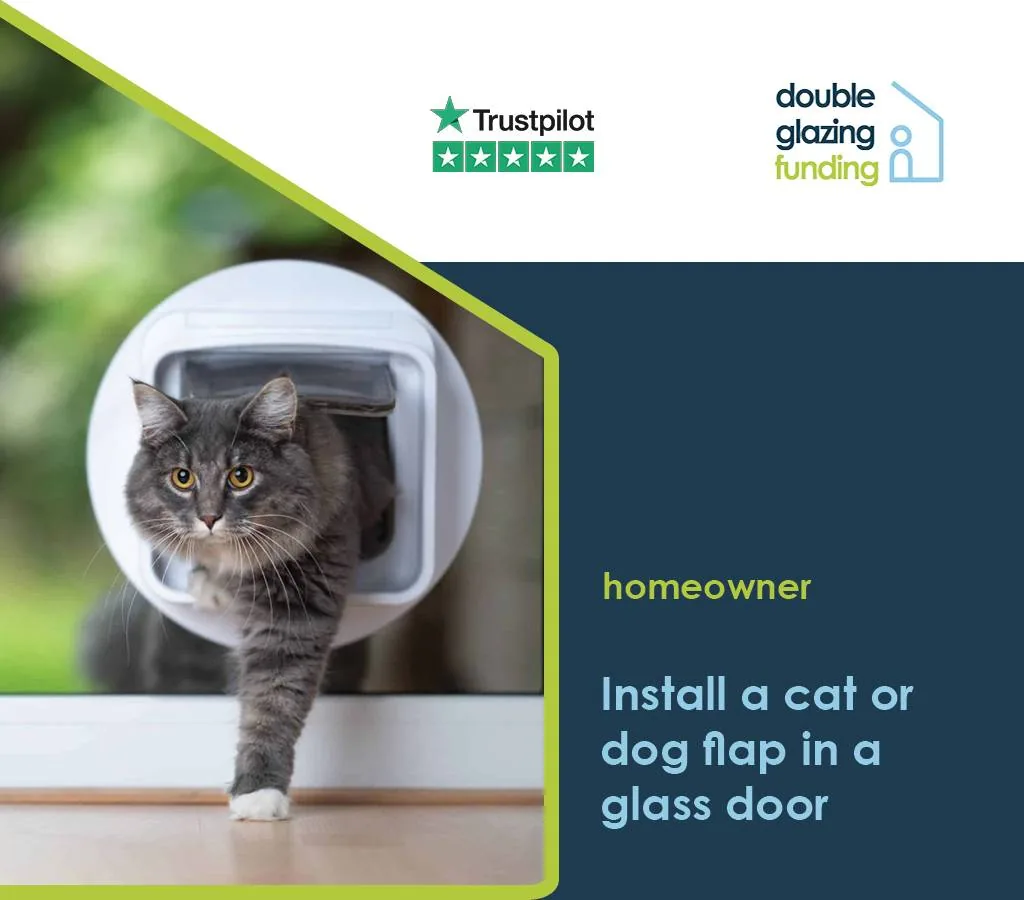
Can you fit a pet flap in double glazing?
You can, but not by cutting into the glass you already have. A double glazed unit is hermetically sealed; cut a hole in it and the insulating gas escapes, moisture gets in and the unit permanently mists up between the panes.
The correct method is a replacement sealed unit manufactured with the circular aperture already in place. The pet flap clamps into the hole, the unit stays sealed and insulated, and the new unit is fitted into your existing door frame in a single visit. This works for double glazed doors, French doors, sliding patio doors and even windows.
If your existing units have already failed or misted, it can make sense to deal with both jobs at once; see our guide to replacing misted double glazing units.
How is a pet flap fitted in a glass door?
- Measure. The installer measures your existing sealed unit and the flap you have chosen (always size the flap to your pet, with a little growing room for young animals).
- Manufacture. A new sealed unit is made with the hole cut at the right height for your pet, usually allow a few days to a couple of weeks.
- Swap and fit. The old unit is removed, the new unit is beaded in, and the flap is clamped into the aperture with its sealing gasket. Fitting the flap itself takes around 30 minutes.
This is a job for a professional glazier or pet flap fitter. They have the tools to remove and re-bead the unit without damaging the door, and they can advise on the right flap type and position for your pet.
What does it cost in 2026?
| Item | Typical 2026 guide price |
|---|---|
| Standard cat or dog flap (the flap itself) | £12 to £90 |
| Microchip cat or dog flap | £60 to £130 |
| New double glazed unit with hole, fitted | £85 to £300 (varies with unit size) |
| Flap fitted into a uPVC or composite door panel | £60 to £150 including labour |
| Flap installed through a brick wall | £180 to £300 including labour |
Cat flap and dog flap installation costs are usually similar; larger dog flaps push the unit and labour price towards the top of each range.
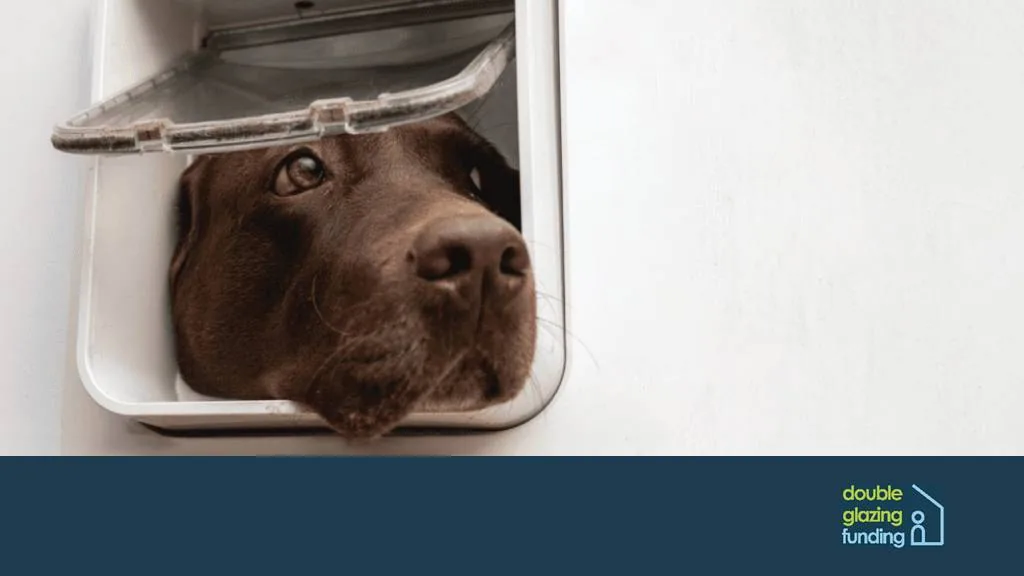
Glass, panel or wall: which is the best place for a pet flap?
- In the glass. The neatest solution for fully glazed doors, French doors and patio doors. Needs a new sealed unit, but the door structure is untouched and the result looks factory-made.
- In a door panel. If your uPVC door has a solid lower panel, a flap can be cut directly into it. Usually the cheapest professional option, and the panel can be replaced later if you move or your pet's needs change.
- Through the wall. A tunnel-style flap through brickwork suits homes where the doors are all glass and you want to keep them flap-free. It costs more in labour but leaves doors and windows untouched.
- In a wooden door. The classic DIY route: most hinged flaps are designed to be cut into timber doors directly.
Pet flaps installed in double glazed doors differ from the ones installed in a brick wall or uPVC panel, so check the manufacturer's compatibility notes (most list glass-fitting adaptors) before you buy.
What types of pet flap are available?
There are a few different types of pet flap on the market. The most common is the hinged flap, which swings open when your pet pushes against it. There is also the tunnel-style flap, which fits into a hole in the door or wall with a flexible tunnel your pet pushes through, and the panel-style flap, a flat piece of plastic that attaches to your door.
Whichever type you choose, measure the opening and your pet before purchasing to make sure you get a flap that fits.
Microchip cat and dog flaps
Microchip flaps read the unique code on your pet's implanted microchip and only unlock for animals you have registered. That keeps unwelcome visitors out: in one survey, more than 40 percent of cat owners said neighbourhood cats had entered their homes looking for attention, shelter or food, or to confront the resident cat.
Microchip flaps are available from leading pet retailers and typically cost £60 to £130 in 2026, with some models storing 30 or more registered pets. If you live in an area with many neighbourhood cats, the microchip upgrade is usually worth the extra cost.
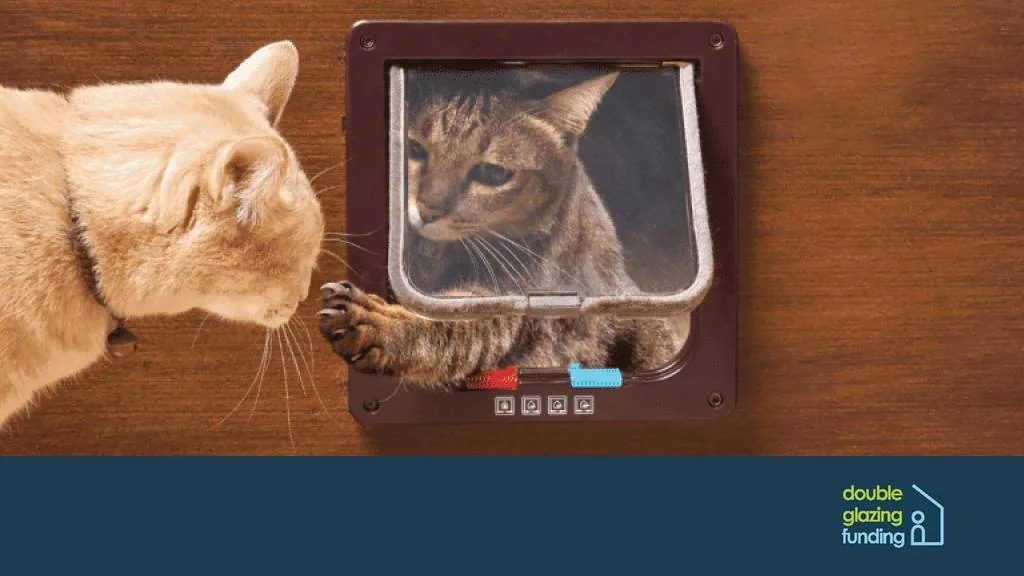
The benefits of a pet flap
The obvious benefit is that your cat or dog can come and go as they please without you opening the door every time. That is especially useful if you work long hours. Modern flaps seal well, and models with brush strips and magnetic closures keep draughts to a minimum, so a professionally fitted flap will not undo the insulation benefits of your double glazing.
Could you qualify for funding towards new windows and doors? Homeowners with windows five years old or older can check in under 60 seconds. Launch the funding checker.
If the door itself is nearing the end of its life, it may be smarter to price a whole new door with the flap aperture built in from day one; our guides to uPVC door costs and patio door costs give you the numbers to compare.
Frequently asked questions
Can you put a cat or dog flap in a glass door?
Yes. A glazier manufactures a new double glazed sealed unit with a circular hole already cut, fits your chosen pet flap into the hole and swaps the new unit into your existing door frame. You cannot cut a hole in an existing sealed unit, because doing so breaks the seal and the unit would mist up.
Can you put a pet flap in double glazing?
Yes, but only by replacing the sealed unit with a new one made with the aperture built in. This keeps the unit sealed and insulating. It works for double glazed doors, French doors, sliding patio doors and even windows.
How much does it cost to put a cat flap in a glass door?
As a typical 2026 guide price, expect £85 to £300 for the new sealed unit with the hole manufactured in, depending on the size of the unit, plus £12 to £90 for a standard flap or around £60 to £130 for a microchip flap. Fitting the flap itself takes about 30 minutes once the new unit is in.
Can you cut a hole in an existing double glazed unit?
No. Cutting into an installed double glazed unit breaks the hermetic seal, letting the insulating gas escape and moisture in, which causes permanent misting between the panes. The correct method is always a replacement unit manufactured with the hole already in place.
How long does it take to install a cat or dog flap?
Fitting the flap usually takes around 30 minutes. If a new glass unit is needed, allow a few days to a couple of weeks for it to be manufactured before the installer returns to swap the unit and fit the flap in a single visit.