
Double glazing has two panes of glass and suits most UK homes; triple glazing has three panes, insulates better and costs around 15 to 25% more. For most households double glazing is the sensible default, while triple glazing pays off in cold, exposed or noisy locations. You can also check if you qualify for window funding in 60 seconds before you decide.
In this guide we compare the two options on insulation, noise, security, condensation and cost, so you can choose what works best for your home and budget.

Double vs triple glazing at a glance
| Double glazing | Triple glazing | |
|---|---|---|
| Panes of glass | 2 | 3 |
| Typical whole-window U-value | Around 1.2 W/m²K | Around 0.8 W/m²K |
| Heat loss through the window | Baseline | Around 30 to 40% lower than double glazing |
| Noise reduction | Good | Better, thanks to the extra pane and cavity |
| Security | Good | Better, one more layer to break through |
| Weight | Standard frames fine | Heavier, may need stronger frames |
| Typical lifespan | 20 to 25 years | Up to around 30 years |
| Typical 2026 cost (4 to 10 windows, fitted) | £2,400 to £8,000 | Around 15 to 25% more |
What is double glazing?
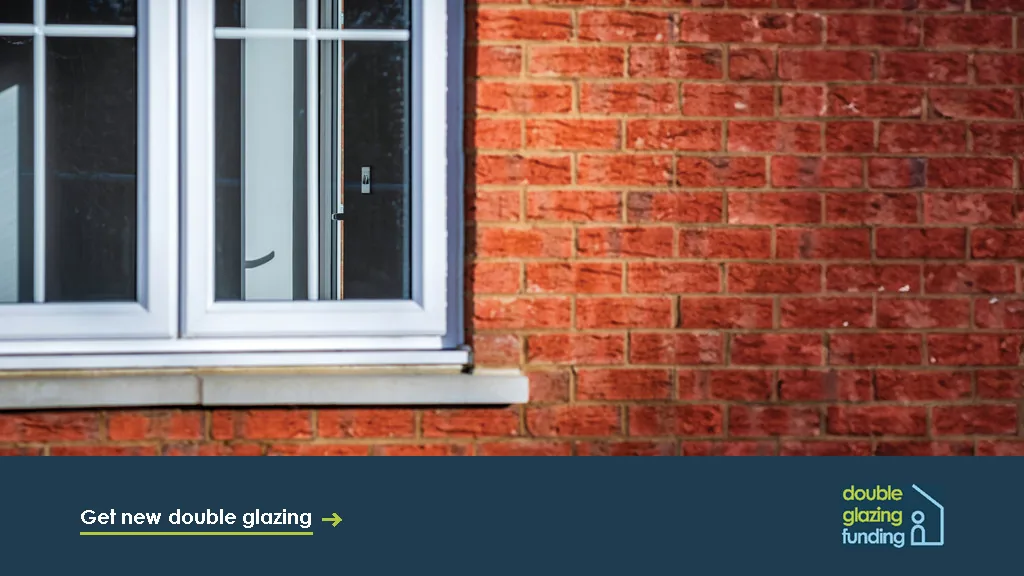
Double glazing is the most common window choice for UK homes. It uses two panes of glass with a sealed, gas-filled gap between them. That gap slows heat loss and cuts cold draughts.
Most new-build homes come with double glazing as standard, and it is the go-to upgrade for older properties that still have single-glazed windows. Households that upgrade from single glazing typically notice the difference in comfort and heating bills straight away. Our guide to uPVC window costs breaks down prices by window style.
Pros of double glazing
- More affordable than triple glazing
- Cuts heat loss dramatically compared with single glazing, typically reducing heat loss through the glass by well over half, which helps lower your energy bills
- Blocks outside noise, especially useful if you live near a busy road
- Widely available across the UK, and easy to install in most homes
Cons of double glazing
- Less energy-efficient than triple glazing, as it has one less insulating layer
- Lower security, with fewer barriers against break-ins compared to triple glazing
- Shorter lifespan, and may not last as long as a triple-glazed unit
Could you qualify for funding towards new windows and doors? Homeowners with windows five years old or older can check in under 60 seconds. Launch the funding checker.
What is triple glazing?
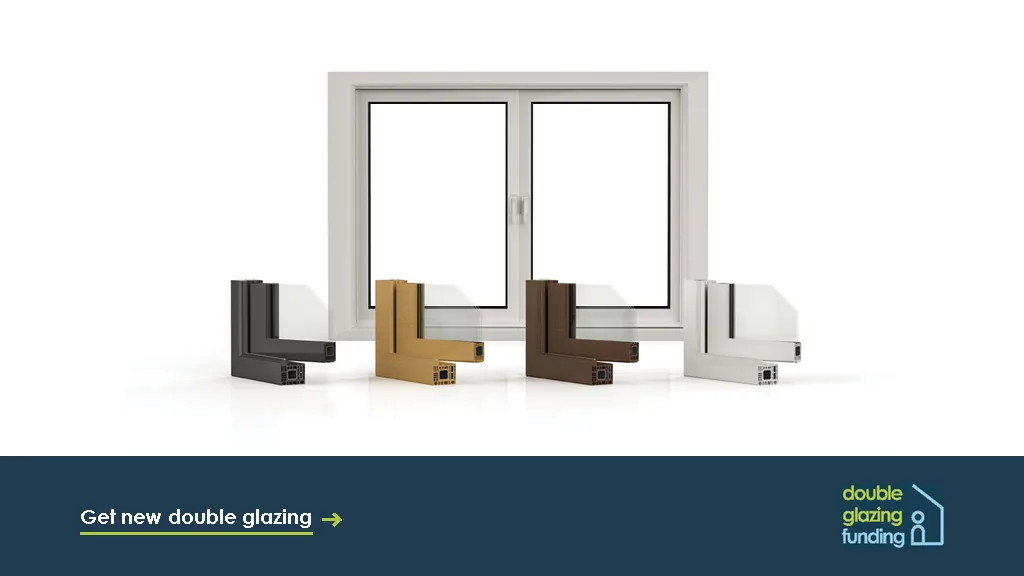
Triple glazing is a modern window type built for maximum insulation and energy efficiency. It uses three panes of glass, with the space between each pane filled with argon, krypton or xenon gas. The two sealed cavities reduce draughts and keep more heat inside your home.
Compared with double glazing, triple glazing can cut heat loss through the window by around 30 to 40%, with whole-window U-values of around 0.8 W/m²K against roughly 1.2 W/m²K for modern double glazing.
Pros of triple glazing
- Stronger sound insulation than double glazing
- Improved security, with an extra layer of glass that makes break-ins harder
- Lower U-values, which means better heat retention
- Longer lifespan, with units that can last around 30 years
- More energy efficient, which helps reduce your annual heating costs
Cons of triple glazing
- Higher cost to supply and install compared to double glazing
- Heavier units, which may require stronger frames or adjustments
- Not always necessary for most UK homes, especially in milder regions
Which glazing type handles condensation better?
Triple glazing tends to manage condensation more effectively than double glazing. With three panes, the inner pane stays closer to room temperature, so moisture is less likely to condense on the glass.
If you have double-glazed windows and notice regular condensation between the glass layers, the sealed unit has failed. Our guide to the cost of replacing misted double glazing units explains your options, which are often far cheaper than replacing the whole window.
Condensation left untreated can lead to damp patches, mould growth and damage to window frames. However, if your current windows are in good condition and not causing any issues, there may be no need to replace them.
Which is more energy efficient: double or triple glazing?
The key figure is the window's U-value: the lower it is, the less heat escapes. Triple glazing wins on paper, at around 0.8 W/m²K against roughly 1.2 W/m²K for good double glazing.
That said, for most UK homes the difference in annual heating costs between the two is fairly small, because our winters are milder than the Scandinavian and Alpine climates triple glazing was developed for.
It is also worth considering solar gain, the natural warmth that passes in through the glass. Double glazing lets in more solar heat than triple glazing, which is a useful bonus in colder months. Triple glazing blocks more of that warmth. So while triple glazing is more efficient on paper, double glazing can be the better all-round performer in typical UK conditions.
How much does double glazing cost?
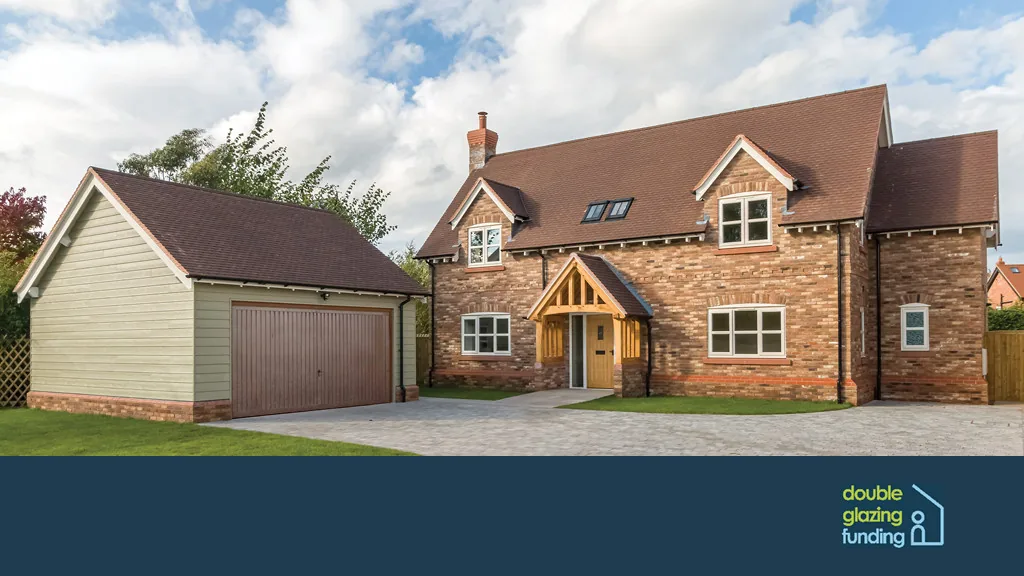
As a typical 2026 guide, double glazing costs anywhere from £2,400 to £8,000 fitted for 4 to 10 windows. The total depends mostly on the size and number of windows, the style you choose and the type of glass used.
The best way to get an accurate price is to request a quote based on your specific property and requirements. If you are buying a new home, take a close look at the windows: if they are already double glazed and in good condition, that could save you thousands later.
What is the average cost of triple glazing?
Triple glazing costs more than double glazing, mainly because it uses more materials and a more complex manufacturing process. As a rule of thumb, budget around 15 to 25% on top of the equivalent double-glazed price; replacing around four windows in a two-bedroom flat starts from roughly £2,400 as a typical 2026 guide.
Not all installers offer triple glazing, so it can be harder to source in some areas. Because the energy savings over double glazing are often small, weigh the higher cost carefully against your home, location and budget.
How to keep costs down when replacing your windows
If you plan to replace all your windows, doing them at the same time usually costs less than replacing them in smaller batches. Installers often offer better rates for full-house projects, and it saves on labour and scaffolding.
Always choose a company registered with FENSA or the Glass and Glazing Federation (GGF). This ensures the work meets UK Building Regulations and gives you an insurance-backed guarantee and proper certification.
Conclusion
Choosing between double and triple glazing comes down to what matters most to you: energy savings, noise reduction, long-term durability or upfront cost.
For most UK homes, modern A-rated double glazing is the best value. Triple glazing earns its premium in cold or exposed locations, on noisy roads, and in highly insulated homes where the windows are the weakest thermal link.
Take time to compare quotes, review the glass and styles available, and consider how each option will affect your home's comfort, running costs and future value.
Do you qualify for double glazing funding?
You could be eligible for help with the cost of installing energy-efficient windows. Fill out a quick funding application form and we will let you know what support is available, or read how to qualify for free windows and doors first.
The Help 2 Buy Windows grant has nothing to do with the UK government; it is funded 100% by Help 2 Buy Windows through the sale of leads to our clients.
Prefer to talk it through? Call us on 0330 808 1074.
Frequently asked questions
Is triple glazing worth it in the UK?
It depends on your home and priorities. Triple glazing can cut heat loss through the window by around 30 to 40% compared with double glazing, and it is stronger and quieter. But because the UK climate is relatively mild, the extra energy savings are often modest against the higher purchase price. It makes most sense in exposed or noisy locations, north-facing rooms, and very well-insulated homes.
How much more does triple glazing cost than double glazing?
As a typical 2026 guide, expect triple glazing to cost around 15 to 25% more than the equivalent double-glazed installation. Double glazing for 4 to 10 windows typically costs £2,400 to £8,000 fitted, so the same project in triple glazing might cost roughly £2,800 to £10,000.
Does triple glazing reduce noise more than double glazing?
Usually, yes. The third pane and extra sealed cavity dampen more sound energy, which helps near busy roads or flight paths. For serious noise problems, acoustic laminated glass in a double-glazed unit can perform as well as standard triple glazing, so ask your installer about both options.
What U-value should I look for in new windows?
The lower the U-value, the better the insulation. Modern double glazing typically achieves a whole-window U-value of around 1.2 to 1.4 W/m²K, while good triple glazing achieves around 0.8 W/m²K. Building Regulations in England require replacement windows to be 1.4 W/m²K or better.
Does triple glazing stop condensation?
It reduces the risk. The inner pane of a triple-glazed unit stays closer to room temperature, so moisture is less likely to condense on it. Condensation between the panes of any sealed unit means the seal has failed and the unit needs replacing, whether double or triple glazed.