
The three most popular conservatory styles in the UK are the Edwardian, the Victorian and the lean-to, with a typical 2026 installed cost of £10,500 to £14,000 for an average conservatory. This guide compares each style, what it costs, the benefits it brings, and what you should budget if you only need to replace the roof.

What are the advantages of adding a conservatory to your home?
There are plenty of reasons you may want to add a conservatory to your house, including:
- A peaceful haven just outside the house
- A new office space for working from home
- Somewhere to entertain friends and family
- Creating a new open-plan kitchen
- Setting up a home gym
Each of these uses would shape how the conservatory is built to meet your specific demands.
Increase the value of your home
According to property personality Phil Spencer, a conservatory may enhance your house's value by around 7 percent. However, the actual amount of value it adds relies considerably on how well your conservatory fits in with its environment.
Based on that logic, a £200,000 property might increase in value by up to £14,000.
Provides an additional room
Modern uPVC conservatories are so well constructed and protected from the elements that they can be used as a living room, dining room or even a kitchen all year round. Pairing the structure with energy-efficient glazing (see our uPVC window cost guide) keeps it comfortable in winter as well as summer.
Connects your property to your garden
A conservatory is a gateway between your house and the outside world. It is not quite the same as the rest of your home, but it still shields you from the weather while you enjoy your garden and the world beyond. Many homeowners pair theirs with sliding patio doors or bi-fold doors to open the space up fully in summer.
What are the different types of conservatories available?
The Edwardian conservatory
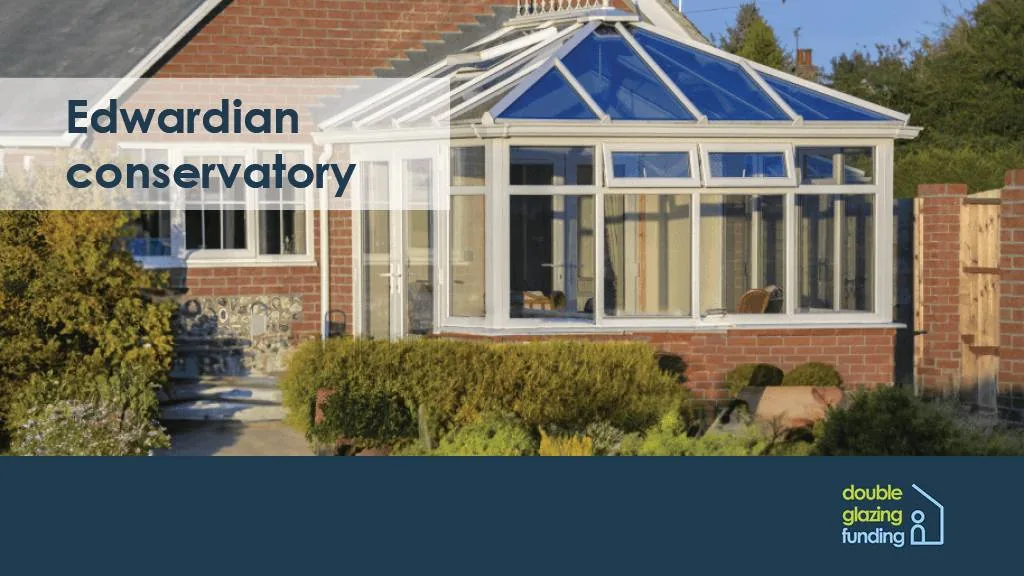
An Edwardian conservatory is a large, less ornate structure with a simple design that mixes elements of an orangery and the conventional Victorian style.
The most significant difference between the Victorian and Edwardian conservatory is that the Victorian has a rounded front, whereas the Edwardian has a square or rectangular shape. The rectangular form uses all available space and can offer a generous extra living area for your house.
For those who prefer the subtle design of the Edwardian period, the Edwardian has a less ornate finish than the Victorian.
The Victorian conservatory
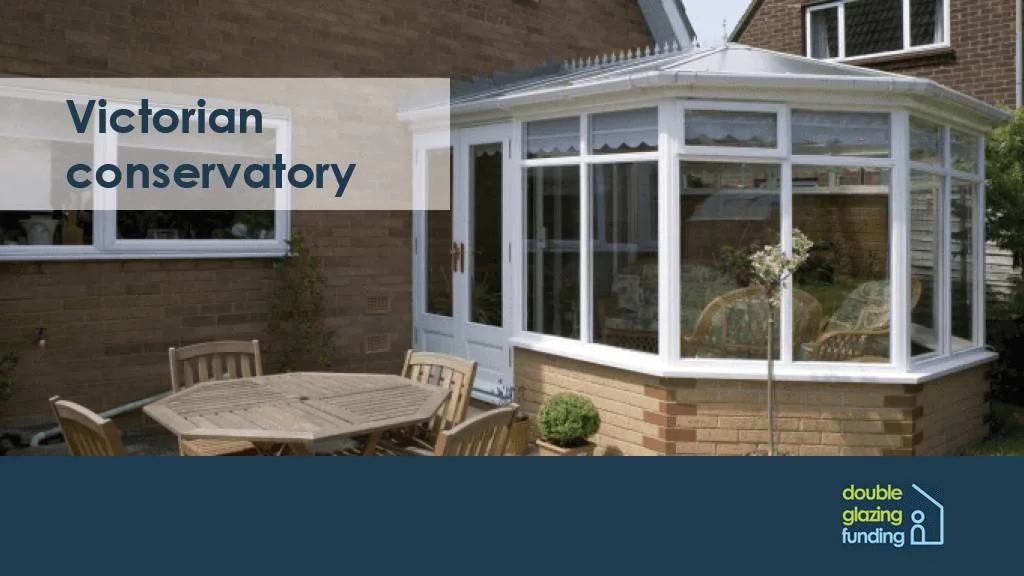
The Victorian conservatory is the style most often associated with the phrase "classic traditional conservatory". It is a direct descendant of the elaborate glass constructions first brought to Britain in the late 1800s.
A Victorian has an ornate apex roofline with crests and spiked finials. Compared with other flat-fronted types, Victorian conservatories have a rounded, faceted front, rather like an extended bay window. This bay window effect allows extensive outside views and makes the inside appear much larger.
The Victorian conservatory is ideal for a traditional home. It is not the best option for a bungalow or a modern new build because it needs enough roofline height.
The lean-to conservatory
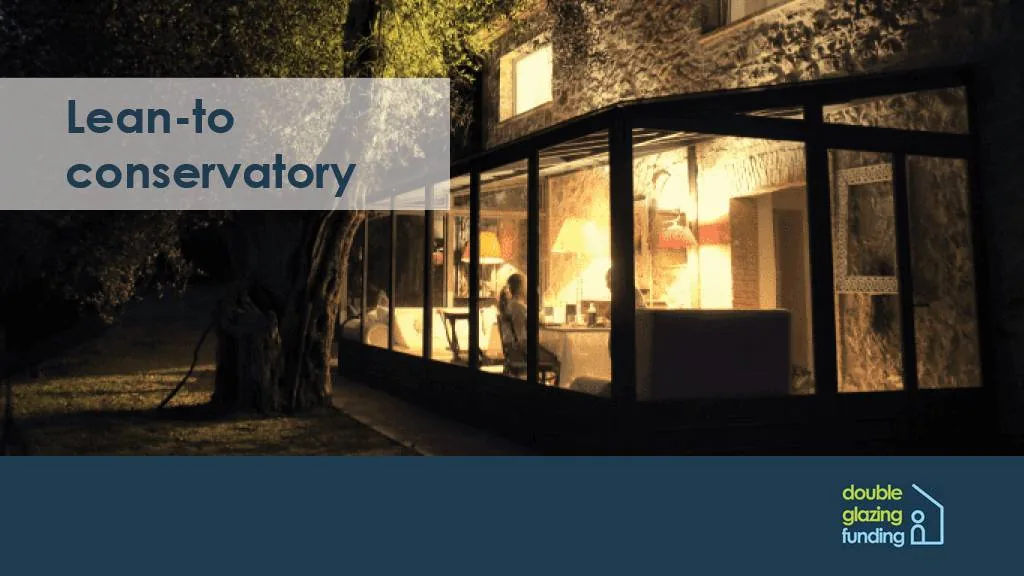
Known as the most authentically Mediterranean sunroom style, the lean-to conservatory is elegantly unassuming, with clean lines throughout.
Despite their lower price tag, lean-to conservatories are not devoid of style or quality. Some make strong statements by combining a contemporary glass structure with an older building.
A roof pitch that slopes away from the property is the most accurate description of the lean-to's style, and the height and length of the roof can add a real sense of character to your property.
Lean-tos can be customised to the owner's preferences and come in a wide range of styles. They are ideal for properties with low roofs or limited outside space, and they complement bungalows particularly well.
Beyond these three core styles you will also see P-shaped and T-shaped designs (combining a lean-to with a Victorian), gable-end conservatories with a dramatic vertical front, and brick-based orangeries; all follow the same pricing logic, with more complexity meaning more cost.
Could you qualify for funding towards new windows and doors? Homeowners with windows five years old or older can check in under 60 seconds. Launch the funding checker.
What is the going rate for a conservatory in 2026?
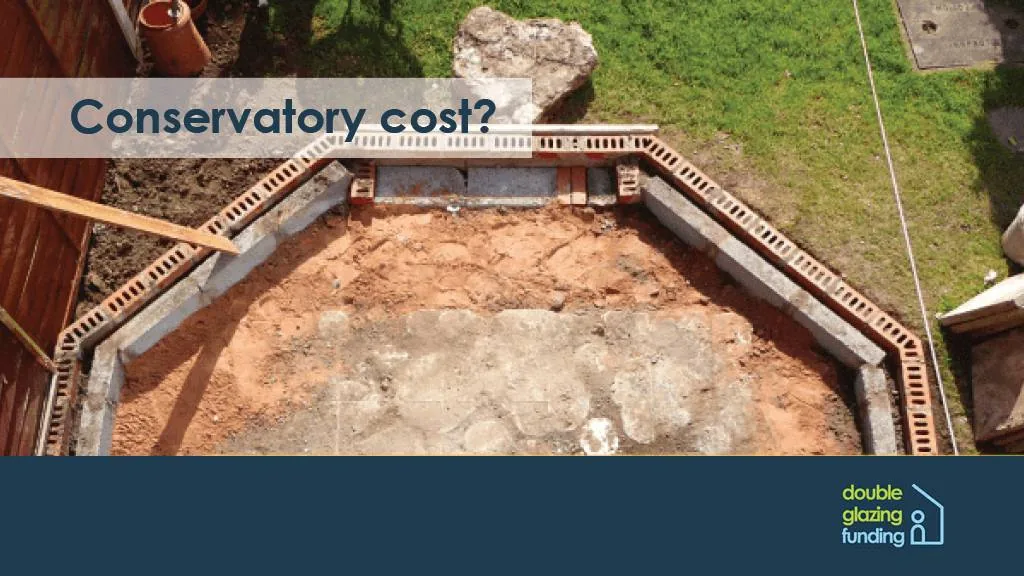
When calculating the cost of a new conservatory installation, the price is composed of four elements: planning expenses, groundwork, material costs and installation charges. The final figure varies greatly depending on the type of conservatory selected, the amount of groundwork involved and the size of the structure itself.
As typical 2026 guide prices:
| Conservatory type | Typical 2026 guide price (supplied and fitted) |
|---|---|
| Lean-to | £10,000 to £14,000 |
| Edwardian | £12,000 to £18,000 |
| Victorian | £13,000 to £20,000 |
| P-shaped / gable-end | £16,000 to £26,000 |
| Large bespoke structures | £55,000+ |
The average UK conservatory comes in at £10,500 to £14,000, although elaborate structures regularly exceed £55,000.
How much does it cost to replace a conservatory roof?
Replacing a conservatory roof is a significant job, but not as costly as some homeowners fear. The costs vary according to several factors.
The existing structure of your home determines how easy or difficult the task will be, because you will need to consider whether significant renovation work is required before the project starts.
If no significant structural changes are needed, replacing the roof should cost around £4,500 to £7,000 for materials and labour as a typical 2026 guide price. If any structural repair is needed on top of that, expect the figure to increase accordingly.
Some homeowners replace their conservatory roof to increase energy efficiency, while others do so for aesthetic reasons. Whatever the reason, it is crucial to weigh all the options, and get multiple quotes, before deciding.
And if your conservatory glazing itself has failed rather than the roof, our guide to replacing misted double glazing units covers the cheaper fix.
If you are also planning new windows or doors alongside a conservatory project, it is worth checking whether you qualify for support first. The Help 2 Buy Windows grant has nothing to do with the UK government; it is funded 100% by Help 2 Buy Windows through the sale of leads to our clients.
Frequently asked questions
How much does a conservatory cost in the UK in 2026?
As a typical 2026 guide price, a conservatory costs £10,500 to £14,000 supplied and fitted. Lean-to designs start from around £10,000, Edwardian styles run £12,000 to £18,000 and Victorian styles £13,000 to £20,000, while large bespoke structures can exceed £55,000.
Which type of conservatory is cheapest?
The lean-to conservatory is usually the cheapest style because of its simple rectangular footprint and single sloping roof. Despite the lower price it still offers plenty of style options and suits bungalows and properties with limited roof height particularly well.
How much does it cost to replace a conservatory roof?
Replacing a conservatory roof typically costs £4,500 to £7,000 for materials and labour in 2026, provided no structural repairs are needed. If the existing structure needs significant renovation work first, expect that figure to increase accordingly.
Does a conservatory add value to your home?
Yes. A well-built conservatory that suits the property can add around 7 percent to a home's value, a figure often attributed to property expert Phil Spencer. On a £200,000 property that is an uplift of up to £14,000, although the actual amount depends on how well the conservatory fits its surroundings.
Do you need planning permission for a conservatory?
Usually not. Most conservatories fall under permitted development rights, provided they stay within size limits such as not covering more than half the land around the house and staying below height restrictions. Always check with your local authority before building, especially in conservation areas or on listed properties.