
Secondary glazing is a second, independent pane of glass or acrylic fitted to the inside of your existing window, and in 2026 professional supply-and-fit prices typically run £250 to £700 per window. It is the best option for listed buildings and conservation areas and excellent at cutting noise, but for a typical home, replacement double glazing usually wins on heat retention, condensation and long-term value.
That second sentence matters, because most guides on this subject are written by companies that only sell one of the two options. This one covers both honestly: what secondary glazing costs, where it genuinely beats double glazing, where it falls short, and how to work out which is right for your house before you spend anything.
What is secondary glazing and how does it work
Unlike double glazing, which replaces the whole window with a sealed unit of two panes, secondary glazing leaves your original window exactly where it is. A discreet second frame is fixed to the inside of the window reveal or the existing frame, holding a single pane of glass or acrylic with an air gap, often 100mm or more, between it and the original glass. That trapped layer of still air is what does the insulating and, crucially, the sound-deadening.
There are four main types, and the type determines both the price and how the window behaves day to day:
- Fixed panels: a sealed pane that does not open. Cheapest professional option, best for windows you never open, such as landings or high-level glazing.
- Hinged units: open inwards like a casement, so you can still reach and open the original window for ventilation and cleaning.
- Horizontal sliders: panels that slide sideways, suited to wide windows and the most common choice for casements.
- Vertical sliders: move up and down to mirror a sash window, so the room keeps its period look and the sash still works as intended.
At the budget end sit magnetic acrylic panels and shrink-film kits. These are DIY products rather than true secondary glazing systems, but for a rented flat or a single cold bedroom they take the edge off draughts for pocket money.
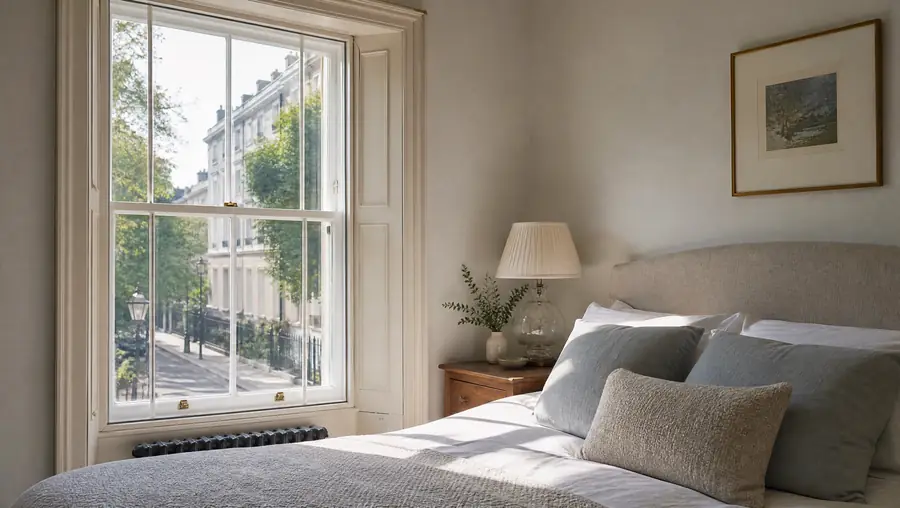
Secondary glazing costs 2026
These are typical 2026 UK guide prices. Professional prices are supply and fit, including VAT; expect the top of each range for acoustic glass, large openings or awkward access.
| Type | Typical 2026 price per window |
|---|---|
| DIY magnetic or film kit | £15 to £60 |
| Fixed panel (fitted) | £150 to £350 |
| Hinged unit (fitted) | £250 to £500 |
| Horizontal slider (fitted) | £300 to £600 |
| Vertical slider for sash windows (fitted) | £400 to £700+ |
| Whole three-bed house, professionally fitted | £2,500 to £5,000 |
Acoustic laminated glass, made-to-match timber-effect frames and curved or arched openings all push prices above these ranges. For comparison, our uPVC window cost guide puts a fitted replacement casement at £375 to £500, and you can price a whole-house replacement in our cost calculator.
The genuine advantages
Noise reduction is the headline act. This is the one area where secondary glazing routinely beats replacement double glazing. Sound insulation improves with the width of the air gap, and a secondary pane set 100mm or more from the original glass, especially with acoustic laminated glass, can achieve reductions of around 45 decibels or more. A standard sealed double glazed unit, with its narrow 16 to 20mm cavity, manages roughly 30 to 35 decibels. If you live under a flight path, beside a railway line or on a main road, secondary glazing is often the single most effective thing you can do to the windows.
It is the answer for listed buildings and conservation areas. If your home is listed, or sits in an Article 4 conservation area where permitted development rights have been removed, replacing the original windows may simply not be allowed, or may require a consent battle you will probably lose. Secondary glazing is internal, discreet and fully reversible, so conservation officers generally accept it. It lets you keep original single-glazed sashes and leaded lights while making the rooms behind them liveable.
No planning headaches, and the character stays. Because nothing changes externally, there is no planning application, no Building Regulations replacement-window notification and no argument about matching the street scene. Original glass, mouldings and shutters all stay put.
It is cheaper upfront. Per window, a fitted slider costs roughly half what a good replacement window does, and the DIY end costs almost nothing. If budget is the binding constraint and the existing windows are structurally sound, it delivers a real improvement for less money now.
The honest drawbacks
You now have twice the glass to clean. Every window gains an extra internal surface, and with fixed panels you have to remove the pane to clean inside the cavity.
Ventilation and access get harder. Fixed panels stop you opening the window at all, and even sliders and hinged units add a step every time you want fresh air. In bedrooms, check that any escape window still opens fully enough to comply with fire safety guidance.
It does nothing for a failing window. Secondary glazing sits behind the problem; it does not fix it. Rotten timber, corroded hinges, misted units and draughty, warped frames all carry on deteriorating behind your new pane. If the primary window is on its way out, you are spending money to postpone a job you will still have to do.
Condensation can move rather than vanish. The warm inner pane usually cuts room-side condensation, but moisture can become trapped in the cavity and mist the original glass unless the gap is vented. Our guide to stopping condensation on windows explains why the moisture appears in the first place, which is worth reading before you spend on any glazing.
It adds less value than replacement windows. Buyers and surveyors treat new double glazing as a completed upgrade; they tend to treat secondary glazing as a workaround. Outside the heritage market, where keeping original windows is itself the selling point, it does less for the sale price than the equivalent spend on replacement.
Secondary glazing vs double glazing
| Secondary glazing | Replacement double glazing | |
|---|---|---|
| Upfront cost per window | £250 to £700 fitted | £375 to £950 fitted |
| Heat retention | Good: roughly halves the heat loss of single glazing | Better: modern units reach U-values of 1.2 to 1.4 |
| Noise | Excellent: around 45dB+ possible with a wide gap | Good: roughly 30 to 35dB for a standard unit |
| Condensation | Reduces room-side, but cavity can mist if unvented | Warm edge and trickle vents deal with it at source |
| Maintenance | Extra pane to clean, plus the ageing original window | One modern, low-maintenance window |
| Lifespan | System 20 to 30 years, but limited by the primary window | 25 to 35 years for a quality uPVC unit |
| Property value | Modest uplift; seen as a workaround | Recognised upgrade that supports the asking price |
| Listed buildings | Usually permitted; the standard heritage solution | Often refused consent or heavily restricted |
The plain verdict: if your home is listed, in a strict conservation area, or your biggest problem is extreme noise, secondary glazing is the right tool and arguably the only tool. In every other situation, replacement double glazing is usually the better long-term value: it insulates better, handles condensation properly, needs less looking after and adds more to the property, and the gap in upfront cost narrows further if funding covers some or all of it. If you are weighing up specifications for a replacement, our double versus triple glazing guide covers the next decision.
Could funding cover replacement double glazing instead?
Here is the question worth asking before you spend £3,000 to £5,000 on a whole-house secondary system: if the real problem is that your windows are old, draughty or failing, and your home is not listed, would that money be better going towards replacement, and could funding cover it? Qualifying homeowners with windows five years old or older can apply for the Help 2 Buy Windows grant, and those who do not qualify can be offered partner funding that spreads the cost. The Help 2 Buy Windows grant has nothing to do with the UK government; it is funded 100% by Help 2 Buy Windows through the sale of leads to our clients.
Before you buy a stopgap: if your windows are failing and your home is not listed, check the funded replacement route first. It takes under 60 seconds and there is no obligation. Launch the funding checker, or read how to qualify.
Frequently asked questions
How much does secondary glazing cost?
As a typical 2026 guide, professionally fitted secondary glazing costs £250 to £700 per window depending on the style. Fixed panels sit at £150 to £350, hinged units at £250 to £500, horizontal sliders at £300 to £600 and vertical sliders for sash windows at £400 to £700 or more. A whole three-bedroom house professionally fitted usually comes to £2,500 to £5,000, while DIY magnetic or film kits start from around £15 per window.
Is secondary glazing as good as double glazing?
For noise, secondary glazing often performs better, because the wide air gap between the two panes absorbs more sound. For heat retention, condensation control, security and property value, replacement double glazing usually wins, because it replaces the whole opening with a modern sealed insulated unit. If your existing windows are sound and cannot be replaced, secondary glazing is a strong option; otherwise replacement double glazing is normally the better long-term investment.
Does secondary glazing stop condensation?
It usually reduces condensation on the room side, because the inner pane stays warmer, but it does not fix the underlying cause. Moisture can also become trapped in the cavity between the original window and the secondary pane, so that gap needs trickle ventilation or breather holes to stay clear. If condensation is your main problem, tackle ventilation and the source of the moisture first before spending on glazing.
Can I fit secondary glazing myself?
Yes, at the budget end. Magnetic acrylic panels and shrink-film kits are designed for DIY fitting and cost around £15 to £60 per window, and some fixed-panel systems arrive as made-to-measure kits. Sliding systems, especially vertical sliders for sash windows, are best fitted professionally so they track and seal correctly. DIY secondary glazing does not need Building Regulations sign-off because you are not replacing the window itself.
Is secondary glazing allowed in listed buildings?
In most cases yes, and it is usually the recommended route. Because it is fitted internally and is fully reversible, secondary glazing normally avoids the listed building consent problems that replacement windows create. Slimline systems are widely accepted in listed buildings and Article 4 conservation areas, though you should always confirm with your local conservation officer first, as some interiors are protected too.
Does secondary glazing reduce noise?
Yes, and this is where it genuinely shines. A secondary pane set 100mm or more from the original glass, ideally with acoustic laminated glass, can achieve sound reductions of around 45 decibels or more, compared with roughly 30 to 35 decibels for a standard sealed double glazed unit. That wide air gap absorbs frequencies a narrow sealed unit cannot, which is why secondary glazing is so popular under flight paths and on main roads.