
A new uPVC front door typically costs £650 to £1,400 supplied and fitted in 2026, making it one of the most affordable ways to replace a damaged or dated external door. Below you will find typical 2026 guide prices for every common uPVC door type, the benefits and drawbacks, and the funding options that could reduce what you pay.
uPVC door prices 2026
The table below shows typical 2026 guide prices for the most popular uPVC door types. Supply-only figures cover the door and frame; fitted figures include professional installation. Exact quotes vary with size, colour, glazing and your location.
| Door type | Supply-only | Supplied and fitted |
|---|---|---|
| uPVC front door | £450 to £900 | £650 to £1,400 |
| uPVC back door | £400 to £750 | £600 to £1,100 |
| uPVC French doors | £900 to £1,600 | £1,300 to £2,400 |
| uPVC sliding patio doors | £1,000 to £1,900 | £1,500 to £3,000 |
Coloured finishes, woodgrain foils, decorative glazing and side panels all push prices towards the top of each range. A plain white uPVC door in a standard size sits at the bottom. For larger glazed openings, see our patio door cost guide and bi-fold door cost guide.
What to check before buying a double glazed uPVC door
When replacing your external doors, the style needs to suit your home, which is why many homeowners choose a national installer. They usually offer more choice in designs and finishes.
It is also important to choose a company registered with a trade body, such as the Glass and Glazing Federation (GGF) or FENSA. This shows they meet industry standards and follow the correct regulations, and it gives you extra peace of mind that the job will be done properly. The last thing you want is poor-quality workmanship.
What benefits do uPVC doors have?
uPVC doors come with several practical benefits that make them a smart choice for many homes.
They do not warp or shrink
Unlike wooden doors, uPVC doors hold their shape in all weather. You will not need to worry about swelling in the rain or shrinking in dry conditions. They stay stable year round.
They help insulate your home
uPVC doors are energy efficient. The double glazing and tight seals reduce heat loss, which helps keep your home warm in winter and cool in summer. That means lower heating bills over time.
They are secure
Most uPVC doors come with multi-point locking systems and reinforced panels and frames. This makes them harder to break into than older wooden or single-lock doors.
They are low maintenance
uPVC doors are easy to clean. You will not need to sand, paint or stain them. Just wipe them down with a damp cloth every so often to keep them looking fresh.
They are weather resistant
Rain, frost or strong sun will not damage uPVC doors. They are built to last and perform well in the UK's changing climate.
What types of uPVC front doors are available?
Traditional uPVC door
The traditional uPVC door design is excellent if you are not looking for anything too fancy or modern. These doors suit most properties and still look good after years of use. They are ideal if you want something practical and timeless.
Doors with side panels
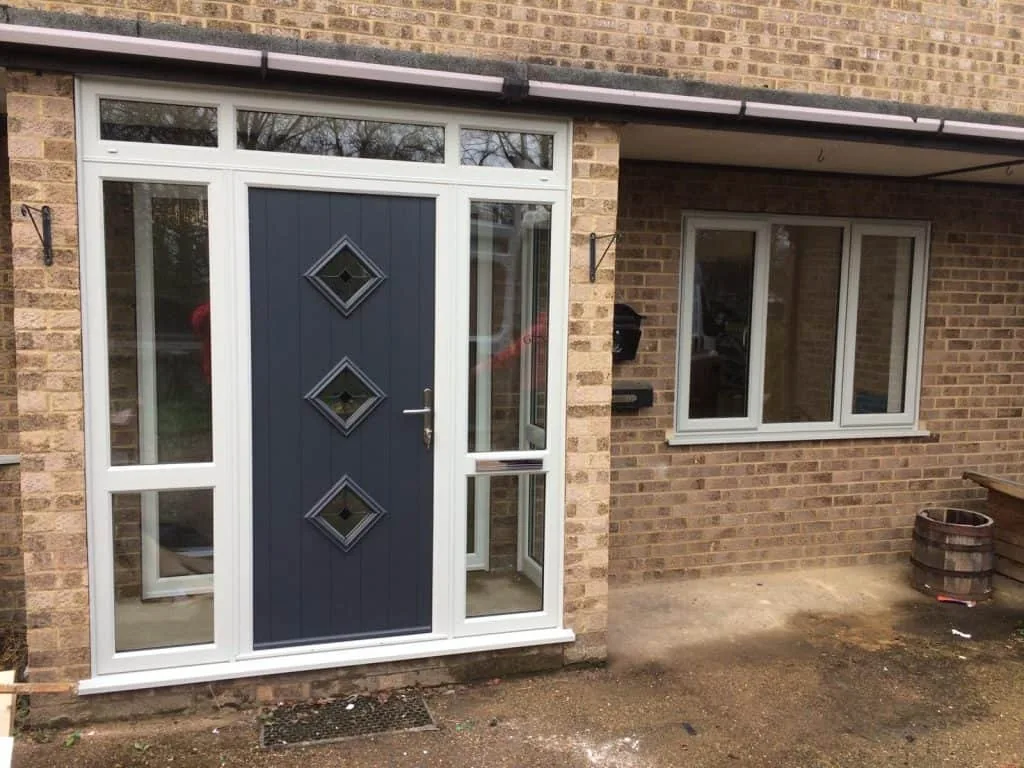
These are perfect if you want more natural light in your hallway. A side panel can be fitted next to the main door, making the entrance brighter and more spacious. They also work well in wider doorways.
French doors
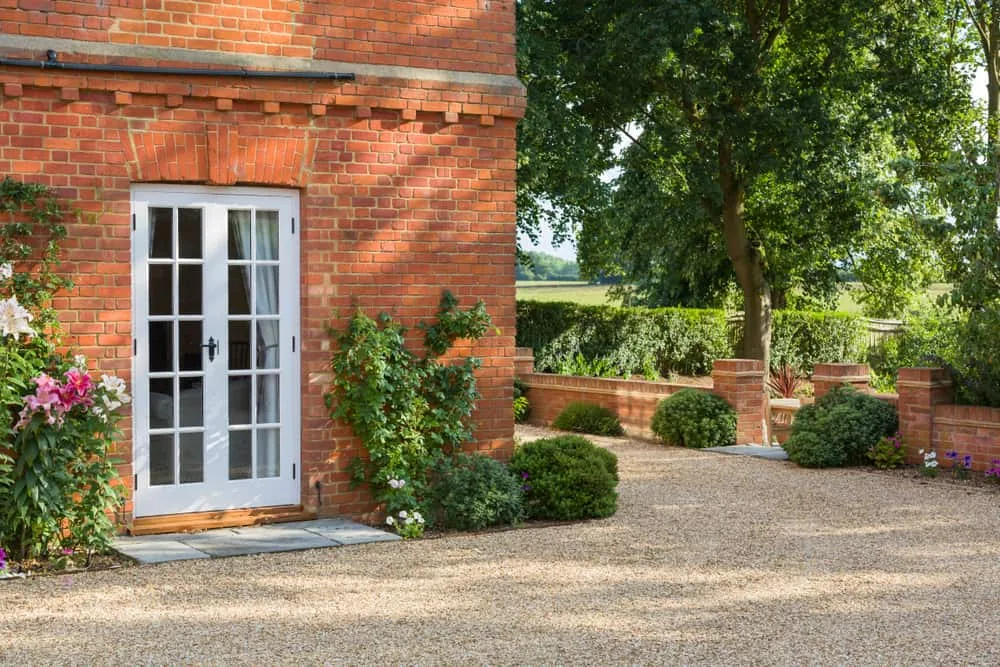
French doors come in pairs and usually open outwards. They feature full-length glass panes that let in lots of light and give a clear view of your garden or outdoor space. They are especially popular in period and heritage homes.
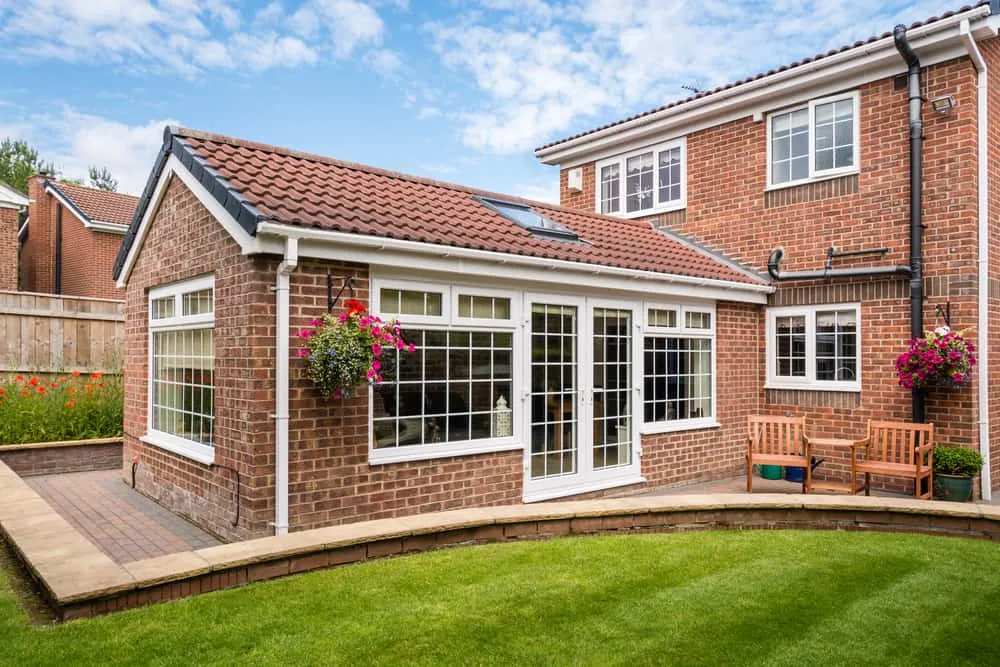
A look at some of the door styles available
What colours can you get uPVC doors in?
Coloured uPVC doors are becoming more popular, and it is easy to see why. A bold front door can lift your home's kerb appeal and make a strong first impression.
You can choose from a wide range of shades, including black (gloss or matt), white, silver, grey, burgundy, red, blue, beige, cream, yellow, green, olive, brown, lilac, rosewood and terracotta.
What door furniture can you add?
There are plenty of extras you can use to customise your front door. These include letterboxes, door numbers, knockers, latches, door stops and bell pushes. You can mix and match styles to suit your home.
How long do uPVC front doors last?
With proper care, a uPVC front door can last up to 35 years. It will not need regular upkeep, and it holds up well in all weather. That makes uPVC a solid long-term choice if you want something reliable and low maintenance.
Are uPVC front doors any good?
Yes. uPVC front doors are known for being tough and long lasting. While timber doors can wear down or rot after a few years, a uPVC door will hold up for decades with minimal upkeep. It is a cost-effective option that offers great value over time.
Can you replace a uPVC door without changing the frame?
In some cases, you can fit a new uPVC door into an existing frame, but it is not always the best option. Removing an old door can damage the frame, especially if it is already worn.
For the best fit and long-term reliability, many installers recommend replacing the frame along with the door. A professional can check your setup and let you know what is possible for your home.
Could you qualify for funding towards new windows and doors? Homeowners with windows five years old or older can check in under 60 seconds. Launch the funding checker.
Are uPVC front doors expensive?
No. uPVC front doors are usually one of the most affordable options on the market. They cost less than most wooden, composite and aluminium doors, and they do not need ongoing painting, sealing or repairs.
If you are looking for an affordable replacement door, uPVC is often the best value for money you can get.
What funding is available for double glazed doors?
There are grants and schemes available to help cover the cost of new doors.
One option is the Help 2 Buy Windows grant scheme. This programme gives homeowners a way to install double glazed doors at a reduced price and spread the cost with flexible payment options. In some cases, the H2B Windows team may fully cover the cost of new doors for eligible families through a private grant funded by the company itself.
The Help 2 Buy Windows grant has nothing to do with the UK government; it is funded 100% by Help 2 Buy Windows through the sale of leads to our clients.
How does the Help 2 Buy scheme work?
The scheme includes three funding options, each suited to different types of homeowners. You do not need to research or compare options yourself; the H2B Windows team does that for you. They check what you qualify for and match you with the best option available. To find out where you stand, see how to qualify.
Will a uPVC front door make my home more desirable?
Yes. Installing a uPVC front door can improve your home's kerb appeal and help boost its value. Buyers often look for features that offer security, energy efficiency and a modern finish, and uPVC ticks all three boxes.
Certain colours, such as grey, green or blue, are especially popular and may help attract more interest if you are thinking of selling. Replacing your front door is a small upgrade that can make a big difference to first impressions.
What is the difference between uPVC and composite doors?
The key difference is the material. uPVC doors are made from a single type of plastic. Composite doors are made from several layers, which may include wood, metal or glass reinforced plastic (GRP). This gives them a stronger core and a more premium feel.
Composite doors are often considered a higher-end option and usually cost more.
Are composite doors worth the extra cost?
Composite doors usually cost more than uPVC, sometimes up to 60% more. While this might seem like a drawback, the higher cost covers key benefits such as stronger materials, better insulation and greater security.
You get what you pay for: a high-quality, secure door with customisable designs and features. See our full composite door price guide for typical 2026 costs.
Which is better, uPVC or PVC doors?
Both uPVC and PVC doors are used in homes, but uPVC is generally the better option for front and back doors.
uPVC is more durable
It holds up better over time and is less likely to crack or warp.
uPVC offers better insulation
It helps reduce heat loss and keeps your home more energy efficient. uPVC may also be more effective at reducing condensation, depending on how well the door is sealed and fitted.
While both types can help keep your home warm, uPVC doors tend to last longer and offer better overall performance. If you are working with a set budget, they usually give you more value for money.
Conclusion
If you want a door that is affordable, energy efficient and easy to maintain, a uPVC front door is a smart choice. It is available in a wide range of colours and styles to suit any home, and it will last for years with minimal upkeep.
Composite doors are also a good option if you have a larger budget. They offer added strength and security but do cost more and can be harder to repair. Either way, you no longer need to rely on timber doors. Both uPVC and composite options offer better performance and longer-lasting value.
Frequently asked questions
How much does it cost to fit a uPVC front door?
A uPVC front door typically costs £650 to £1,400 supplied and fitted in 2026. The final price depends on the design, size, colour, glazing and the installer you choose. Coloured and woodgrain finishes usually sit at the top of that range.
Are uPVC doors expensive?
No. uPVC is usually the most affordable external door material. It costs less than composite, timber and aluminium alternatives, and it does not need painting, sealing or regular repairs, so the running costs stay low too.
How long do uPVC front doors last?
With basic care, a uPVC front door can last up to 35 years. It will not warp, rot or need repainting, and an occasional wipe down with a damp cloth is normally all the maintenance required.
Can you replace a uPVC door without replacing the frame?
Sometimes, yes. A new uPVC door can be fitted into an existing frame if the frame is sound. However, removing the old door can damage a worn frame, so many installers recommend replacing the door and frame together for the best fit and longest life.
Are composite doors worth the extra cost over uPVC?
Composite doors can cost up to 60% more than uPVC, but the extra covers a stronger multi-layer construction, better insulation and higher security. If budget is the priority, uPVC still offers excellent value; if you want the most robust door available, composite is worth considering.
What funding is available for new uPVC doors?
The Help 2 Buy Windows grant scheme offers UK homeowners funding options towards new double glazed doors, including reduced prices and flexible payment options, with qualifying criteria applying. The Help 2 Buy Windows grant has nothing to do with the UK government; it is funded 100% by Help 2 Buy Windows through the sale of leads to our clients.